India needs job-linked push for electro-intelligence sector
Building jobs through an employment-linked incentive policy for India’s electro-intelligence sector
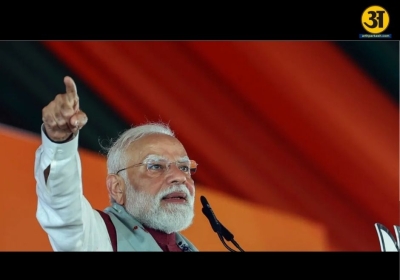
Over the last decade, Prime Minister Narendra Modi has introduced bold reforms that have transformed India’s economy, society, and global position. His initiatives have focused on modernising infrastructure, empowering women, strengthening national security, improving the legal system, promoting digital access, and boosting manufacturing. These efforts have not only addressed immediate challenges but also laid the foundation for a self-reliant, inclusive, and progressive India.
One of the major achievements of Modi’s government has been modernising India’s infrastructure, especially the railways. The introduction of 41 Vande Bharat Express trains has connected 24 states and 256 districts through electrified broad-gauge lines. These trains provide faster, eco-friendly travel and support regional economic growth. In December 2023 alone, six new routes, including Katra-Delhi and Amritsar-Delhi, were launched. By improving connectivity and reducing environmental impact, Modi’s infrastructure reforms have helped boost national development.
Empowering women has also been a key focus of Modi’s reforms. Initiatives like the Lakhpati Didi Yojana provide financial help to women so they can start businesses and gain independence. The Pradhan Mantri Ujjwala Yojana, launched in 2016, gives free cooking gas connections to families below the poverty line, improving health and quality of life for millions. Another innovative initiative, the Namo Drone Didis Initiative, trains rural women to operate drones for agriculture. This program equips 15,000 women-led Self-Help Groups with drones for tasks like crop monitoring and sowing, opening new income opportunities and integrating technology into rural life.
Advancing security, justice, and digital growth
Strengthening national security has been another priority for Modi. By promoting indigenous defence manufacturing, India now produces artillery, submarines, combat aircraft, and missile systems at home. The BrahMos missile, fully made in India, highlights progress in defence self-reliance. This reduces dependence on imports and helps India emerge as a global player in defence technology.
Modi has also modernised the legal system by updating outdated laws. In December 2023, bills were introduced to reform the Indian Penal Code (1860), the Code of Criminal Procedure (1973), and the Indian Evidence Act (1872). These changes make the justice system more efficient, victim-focused, and suited to modern needs, increasing public trust in the law.
The Digital India Programme, launched in 2015, has transformed India into a digitally empowered nation. It provides wider access to digital services, bridges the urban-rural divide, and promotes digital inclusion. Citizens can now access government services and perform financial transactions online, creating a knowledge-based economy and improving efficiency.
Public health and cleanliness have also seen significant reforms. The Swachh Bharat Mission has encouraged citizens to maintain hygienic environments, reducing open defecation and improving public health. With measures like the Swachh Bharat Cess, 25 states have been declared open defecation free, demonstrating how collective action can drive systemic change.
Social justice has been another area of focus. The government supported the ban on triple talaq, following a Supreme Court verdict, ensuring women’s rights are protected and promoting equality. Modi’s administration also passed the Waqf (Amendment) Act, 2025, which modernises religious endowments, prevents misuse, and increases transparency. The Act requires mandatory registration of waqf properties, includes non-Muslim members on Waqf Boards, and reserves seats for women. These reforms improve governance and benefit marginalized communities.
ALSO READ: Plant-based diet linked to lower risk of heart attack and cancer
In manufacturing, the Make in India Initiative has attracted global investment, creating jobs, boosting exports, and integrating India into global supply chains. By liberalising foreign direct investment in 25 sectors, India has improved its rankings in ease of doing business, global competitiveness, and logistics performance. This initiative supports domestic production and strengthens economic growth.
Through these reforms, PM Modi has built a legacy of transformation. His policies combine innovation with tradition, making India more self-reliant, inclusive, and globally respected. From infrastructure development and women’s empowerment to digital growth, defence self-reliance, and social justice, Modi’s leadership has reshaped every aspect of Indian life. These reforms show why he is regarded as one of India’s most effective reformers, setting the country on a path to a stronger and prosperous future.
Related News